
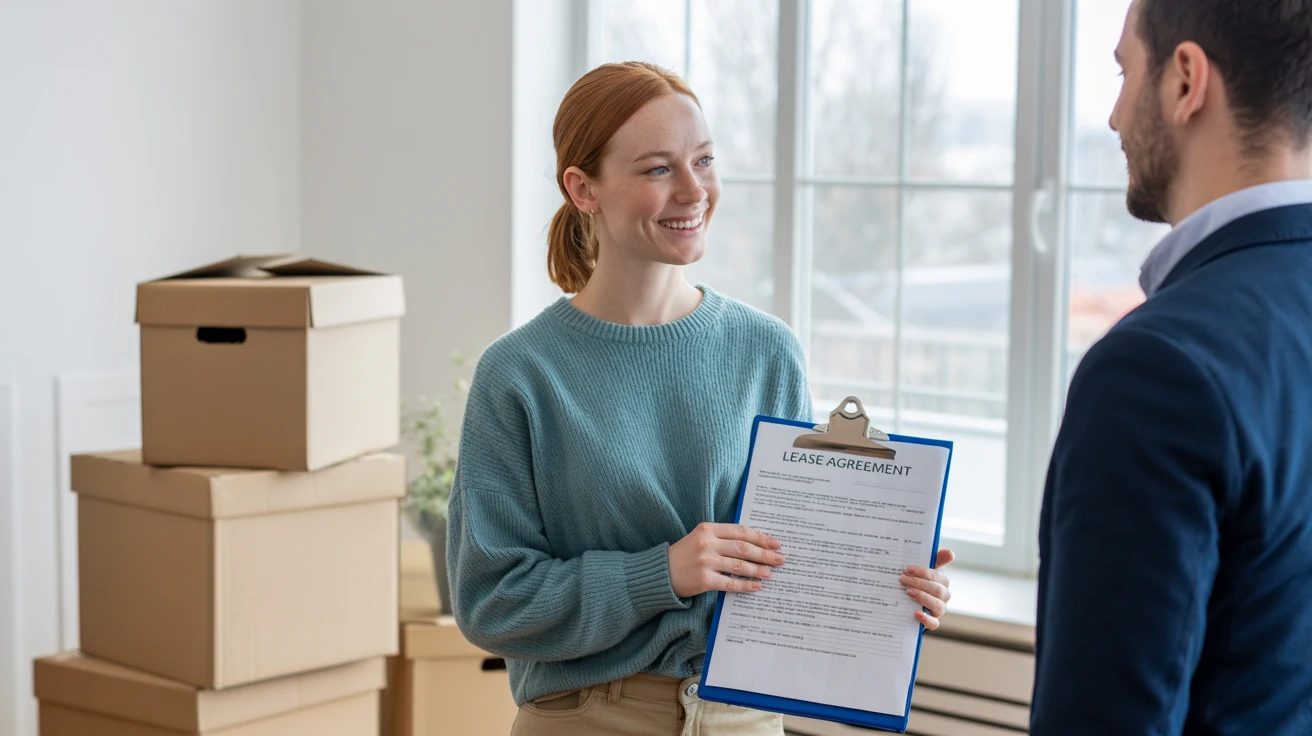
How to Communicate With Your Landlord During a Move
Moving is stressful enough without misunderstandings about your lease, security deposit, or move-out process. And if you’ve ever had one of those awkward landlord conversations, you know it can get tense fast. The good news? A little clear communication can make the whole thing smoother for everyone.
In this guide, we’ll break down exactly how to talk with your landlord before, during, and after your move—so you can avoid last-minute surprises, keep things friendly, and hopefully get your full deposit back.

1. Start the Conversation Early
Don’t wait until moving day to let your landlord know you’re leaving. Most leases require a 30- to 60-day written notice, but even if yours doesn’t, giving more time is always better.
Example: Imagine your landlord gets your notice just a week before you move out. They have to rush to list the apartment, schedule repairs, and set up showings—it’s a headache for them and could hurt your chances of getting a glowing rental reference.
If you’re not sure how much notice to give, read your lease and then follow up with a quick phone call or email to confirm.
2. Put Everything in Writing (But Be Nice About It)
Verbal agreements can get fuzzy, especially when both sides are juggling a hundred moving details. Keep a paper trail. Email works great—it’s quick, timestamped, and easy to reference later.
At Just Better Moving, we’ve seen renters avoid a ton of stress simply by confirming things like move-out dates, cleaning expectations, and final walk-through times in writing.
3. Be Clear About Your Move-Out Date
Your landlord might need that date to plan showings or start repairs. Give them a firm day and stick to it. If your plans change, let them know right away.
This also helps you coordinate with your movers—trust us, there’s nothing worse than the moving truck showing up while the landlord is still in the unit fixing the dishwasher.
4. Ask About Their Expectations for Cleaning and Repairs
Some landlords expect you to leave the place “broom clean,” while others want it spotless—like you never lived there. Clarify what they want so you’re not spending hours scrubbing only to hear it’s still “not clean enough.”
Quick Tip: Take photos after you’ve cleaned and packed. They can be your backup if there’s ever a dispute over the condition of the property.

5. Keep It Professional—Even if Things Get Tricky
Not all landlord-tenant relationships are perfect. If you’ve had issues in the past, keep your move-out communication short, polite, and professional. This isn’t the time to rehash old arguments. The goal is to leave on good terms—or at least neutral ones.
6. Schedule a Walk-Through
A walk-through lets you and your landlord go over the condition of the place together. That way, there’s no mystery about why you did (or didn’t) get your full deposit back.
We recommend doing this a few days before moving day so you still have time to fix small issues.
Why This Matters for a Smooth Move
Good communication keeps surprises to a minimum, saves you money, and protects your rental history. Plus, it’s just the right thing to do—it makes life easier for both you and your landlord.
At Just Better Moving, we handle the heavy lifting, but we’ve seen firsthand how these simple conversations can make moving day a whole lot less stressful.
Final Thought: If you’re gearing up for a move in New Jersey or beyond, we’re here to make it easier—both with the move itself and with advice like this. The less you stress, the better the move.